Linneos Technical Department and DeMorgenstond Kennel, October, 2025.
Introduction
Palatability is a crucial factor in canine nutrition, as it directly influences voluntary food intake and, consequently, health and well-being. Given the growing concern for the use of sustainable and ethically responsible ingredients, there is a need to develop new strategies that improve feed acceptance without compromising animal welfare. Exploring innovative and functional alternatives in this area represents a key step toward more conscious and balanced nutrition for pets.
Objective
To evaluate the effect of Apsapal® Pets m (powder), a natural palatant of non-animal origin, on feed preference and acceptance by adult dogs in a double bowl test.
Experimental animals and diets
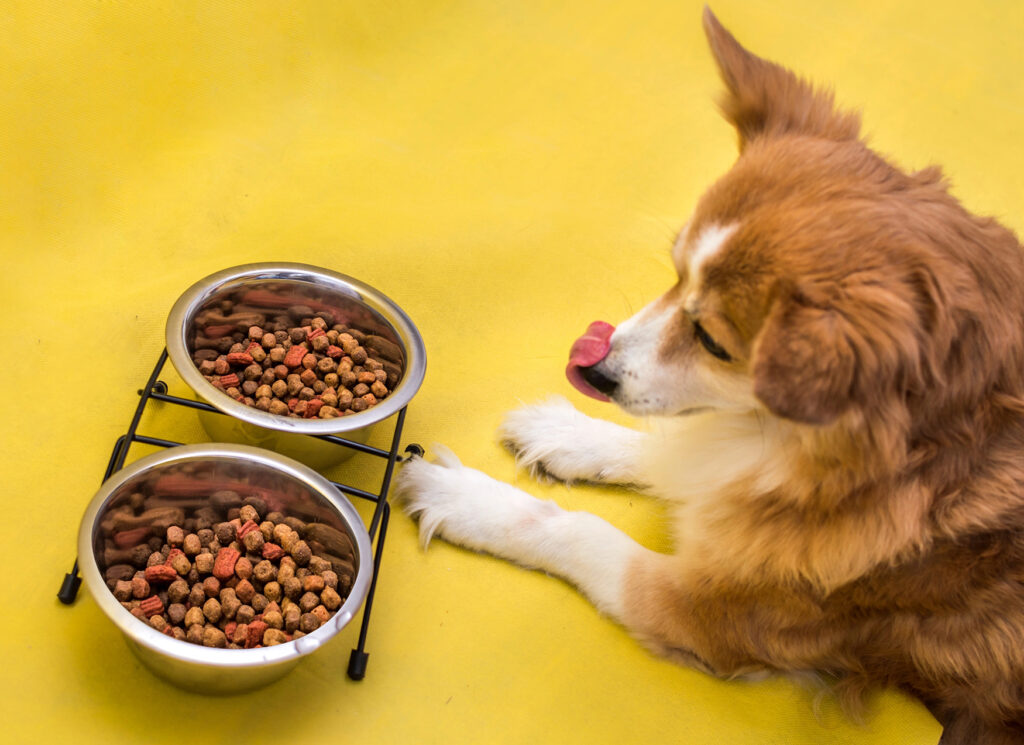
The palatability test was carried out using the double-bowl technique for 4 days over 20 dogs.
- Control diet (A): Standard maintenance diet for adult dogs with the base digest at the usual dose.
- Treated diet (B): Diet A with Apsapal® Pets a 0,5% and Digest at half the usual inclusion rate.
Results
| Day | % Intake of control diet | % Intake of Apsapal® Pets liq m diet | % Control diet as first choice | % Apsapal® Pets liq m diet as first choice |
| Day 1 | 14,31% | 85,69% | 10% | 90% |
| Day 2 | 20,68% | 79,32% | 5% | 95% |
| Day 3 | 23,19% | 76,81% | 15% | 85% |
| Day 4 | 15,95% | 84,05% | 5% | 95% |
| Total | 18,56% | 81,44% | 10,00% | 90,00% |
Conclusions
- Apsapal® Pets m (powder) allows a reduction in the inclusion percentages of Digests while preserving the functional and organoleptic properties of the formula.
- The inclusion of Apsapal® Pets m in dogs´ pet food formulations resulted in a significant improvement in palatability and feed acceptance compared to the control diet without Apsapal®, as evidenced by higher feed intake percentages and a greater incidence of first-choice selection.


