Linneos Technical Department and DeMorgenstond Kennel, October, 2025.
Introduction
The acceptance of food by dogs is a fundamental pillar in any canine nutrition strategy, as it directly determines both actual feed intake and its impact on health. In a context where sustainable ingredients and respect for animal welfare are increasingly valued, it is essential to develop solutions that stimulate appetite without compromising these principles. Advancing innovative and functional approaches in this field represents a decisive step toward responsible, effective nutrition aligned with the evolving demands of the pet food sector.
Objective
To evaluate the effect of Apsapal® Pets liq m, a natural palatant of non-animal origin, on feed preference and acceptance by adult dogs in a double bowl test.
Experimental animals and diets
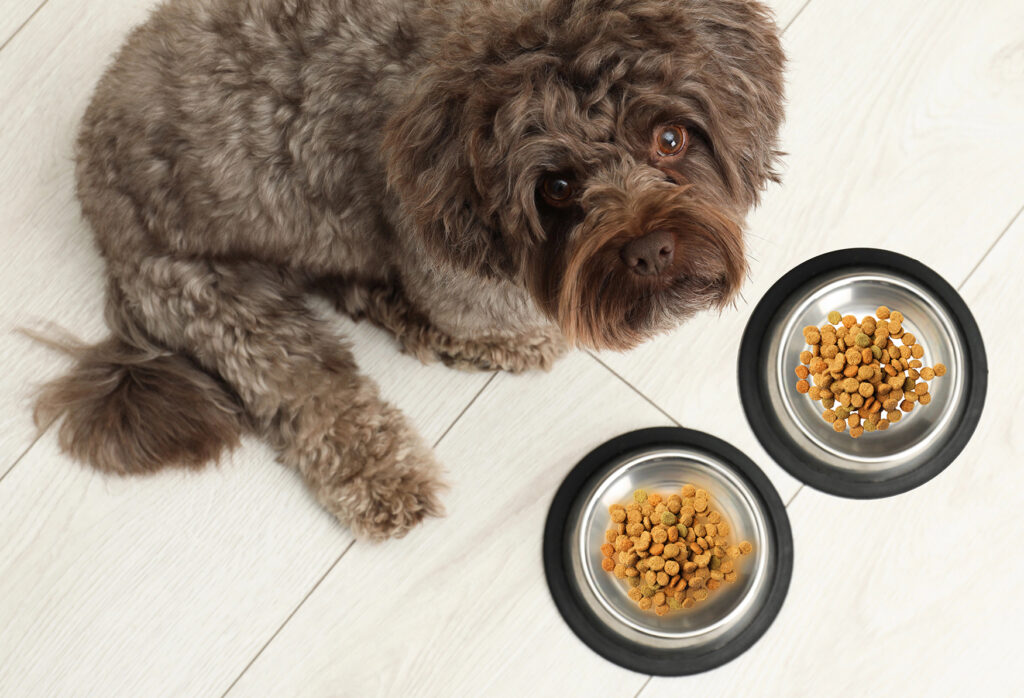
The palatability test was carried out using the double-bowl technique for 4 days over 20 dogs.
- Control diet (A): Standard maintenance diet for adult dogs with the base digest at the usual dose.
- Treated diet (B): Diet A with Apsapal® Pets liq a 0,5% and Digest at half the usual inclusion rate.
Results
| Day | % Intake of control diet | % Intake of Apsapal® Pets liq m diet | % Control diet as first choice | % Apsapal® Pets liq m diet as first choice |
| Day 1 | 92,77% | 0% | 100% | |
| Day 2 | 9,44% | 90,56% | 0% | 100% |
| Day 3 | 13,60% | 86,40% | 0% | 100% |
| Day 4 | 8,74% | 91,26% | 5% | 95% |
| Total | 9,42% | 90,58% | 1,25% | 98,75% |
Conclusions
- Apsapal® Pets liq m allows a reduction in the inclusion percentages of Digests while preserving the functional and organoleptic properties of the formula.
- The inclusion of Apsapal® Pets liq m in dogs´ pet food formulations resulted in a significant improvement in palatability and feed acceptance compared to the control diet without Apsapal®, as evidenced by higher feed intake percentages and a greater incidence of first-choice selection.


